
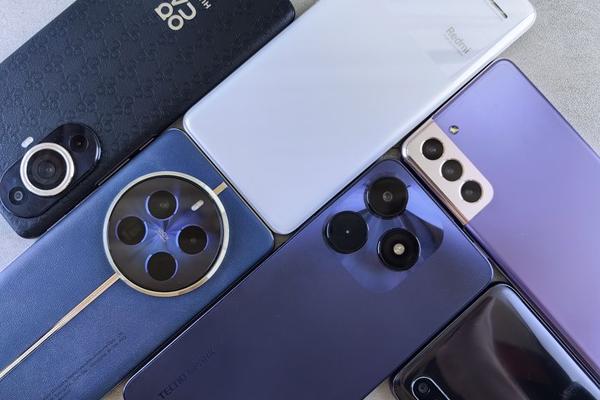
A 200MP camera badge used to signal an expensive flagship phone. By 2026, that number has moved much further down the market, appearing on mid-range devices as well. That sounds like an easy win, but the number tells you only one part of the story.
A 200MP smartphone camera can capture an enormous amount of image data, especially in good light. But most phones do not save every everyday photo at the full 200MP resolution. They combine groups of tiny pixels, process the result, and often output a much smaller image. Understanding that process is far more useful than judging a phone by the biggest number printed beside its camera.
What 200MP actually means
“MP” means megapixels, or millions of pixels. A 200MP phone camera sensor contains roughly 200 million photosites that contribute to the image. More pixels can record finer detail, which is useful when you want to crop heavily or inspect small parts of a bright, well-focused scene.
That does not mean a 200MP camera automatically captures better colour, cleaner night photos or more natural portraits. Resolution is only one ingredient. Sensor size, lens quality, aperture, optical image stabilisation, autofocus, image processing and the phone’s ISP all influence the final result.
If you want megapixels explained in one sentence, think of them as the amount of potential detail a camera can record, not a complete score for image quality.
Why a 200MP phone often takes 12.5MP photos
The key idea is pixel binning. Many 200MP sensors can combine 16 neighbouring pixels into one larger effective pixel. When 200 million pixels are grouped in sets of 16, the output is about 12.5MP.
Samsung’s ISOCELL HP2 is a clear example: it can operate at 200MP, 50MP or 12.5MP depending on how its pixels are combined. In darker conditions, combining pixels increases effective light sensitivity and can help reduce noise. Xiaomi also uses 16-in-1 binning on current 200MP mid-range cameras, including the Redmi Note 15 Pro 5G.
This is why opening your gallery after taking a normal photo may show a resolution far below 200MP. The phone camera sensor still has 200 million pixels, but the camera software is choosing a more practical output for everyday shooting.
When full 200MP mode is genuinely useful
High-resolution mode makes the most sense when there is plenty of light and the subject is relatively still. A landscape, building facade, detailed product shot or group photo can benefit because the extra resolution gives you more freedom to crop later.
Imagine photographing a historic building from across a square. In the normal binned mode, the photo may already look excellent on your phone. In 200MP mode, however, you may be able to crop into a carved window frame or sign while retaining more usable detail.
Some phones also use the high-resolution sensor for sensor-crop zoom. Instead of relying entirely on a separate telephoto camera, the phone can crop into the centre of the 200MP image and still retain enough pixels for a useful final photo. Results still vary by device, processing and lighting.
Why more megapixels do not guarantee better night photos
Tiny pixels collect less light individually than larger ones. Phone makers compensate with pixel binning, larger sensor areas, wider apertures, stabilisation and computational photography. That is why the default binned mode is usually the smarter choice at night.
A full-resolution 200MP shot in dim light can contain more noise, require more processing and show less useful detail than a well-processed 12.5MP image from the same sensor. The camera may therefore prioritise brightness, dynamic range and cleaner textures instead of maximum resolution.
This also explains why two phones with identical megapixel counts can produce noticeably different results. A larger sensor with strong optics and processing may outperform another 200MP camera with weaker hardware. The headline number alone cannot tell you which one is better.
The trade-offs you notice in daily use
Full-resolution images are larger files. They can take longer to process, use more storage and may slow down burst shooting or the time between captures. On some phones, certain features are limited while 200MP mode is active because the device has much more data to handle.
For most people, the default camera mode is therefore the best starting point. Switch to 200MP deliberately when the scene benefits from extra detail. You do not need to leave it enabled for snapshots of food, pets, children or dim indoor scenes where speed and reliable processing matter more.
What matters more than the 200MP label
When comparing camera phones, look beyond resolution. A useful checklist includes the physical sensor size, optical image stabilisation, aperture, autofocus performance, lens quality, HDR processing, shutter speed behaviour and the consistency of the camera app.
It is also worth checking sample photos from the main camera at night, indoors and with moving subjects. Those situations reveal weaknesses that a megapixel specification cannot. If you are learning how phone cameras work, related topics such as phone camera sensor size, optical versus digital zoom, and smartphone image processing are more valuable than chasing resolution alone.
So, do you need 200 megapixels?
Probably not as a requirement. A good 200MP camera can be excellent, but the biggest benefit is flexibility: high-resolution detail when conditions are right, plus lower-resolution binned modes for everyday shooting. That is useful, but it is not essential for everyone.
If you regularly crop photos, photograph architecture, landscapes or detailed scenes, a well-designed 200MP camera may give you more room to work. If you mainly share pictures on social media, photograph family moments or shoot in mixed lighting, sensor quality and processing will matter more than whether the spec says 50MP or 200MP.
Frequently asked questions
Is a 200MP camera better than a 50MP camera?
Not automatically. A 200MP sensor offers higher potential resolution, but a 50MP camera with a better sensor, lens, stabilisation and processing can produce better photos in many situations.
Why does my 200MP phone save 12MP or 12.5MP photos?
Because the camera uses pixel binning. It combines multiple small pixels into larger effective pixels to improve light capture and produce a more manageable file for everyday photography.
Should I use 200MP mode all the time?
No. Use it mainly in bright conditions when you need maximum detail or expect to crop. The default binned mode is usually faster, smaller and better suited to low light or moving subjects.
Does 200MP mean better zoom?
It can help with cropped or sensor-based zoom because there is more resolution to work with. However, a dedicated optical telephoto camera can still deliver better results, especially at longer focal lengths.
The bottom line
The spread of 200MP cameras into mid-range phones makes the specification look more important than it really is. The technology is genuinely useful, especially for cropping and detailed daylight scenes, but the best smartphone photos come from the whole imaging system working together. Treat 200MP as a flexible tool rather than a guarantee of quality, and you will make much smarter sense of camera-phone specifications.