
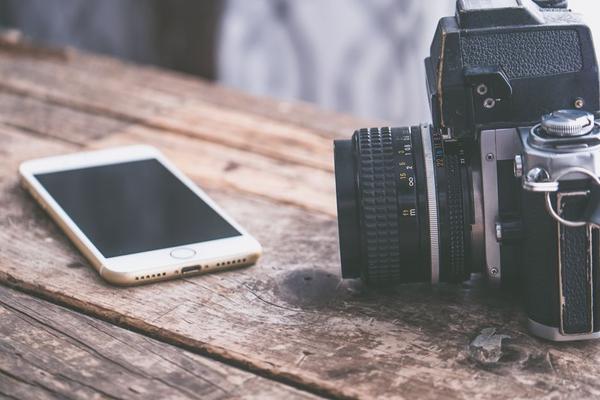
For photography-focused buyers, the iPhone-versus-Pixel decision is less about megapixel bragging rights and more about what happens after you press the shutter. Apple and Google both build excellent camera phones, but they make different choices about colour, detail, portraits, zoom and video. In 2026, the iPhone 17 Pro and Pixel 10 Pro are useful flagship reference points because both combine high-resolution rear cameras with heavy computational processing. The better choice depends on what you shoot most often and how much editing you want to do afterward.
Overall photo quality: natural balance or punchier detail?
The biggest difference in an iPhone vs Pixel camera comparison is often processing rather than hardware. The iPhone 17 Pro uses 48MP main, ultrawide and telephoto cameras, while the Pixel 10 Pro pairs a 50MP wide camera with 48MP ultrawide and 48MP 5x telephoto cameras. On paper, both are firmly flagship-grade. In practice, each brand interprets a scene differently.
iPhone camera quality generally favours a more restrained, consistent look. Skin tones, white balance and exposure tend to stay predictable from shot to shot. Google often pushes local contrast, sharpening and computational detail harder. That can make Pixel photos look crisp and immediately impressive on a phone screen, although some scenes can appear more processed.
If you prefer images that look ready to post with minimal adjustment, Pixel camera quality can be very appealing. If you prefer a calmer rendering that leaves more room for your own editing style, the iPhone is often the safer choice.
Daylight, HDR and difficult lighting
Both phones are excellent in daylight, so the meaningful differences appear when a scene contains bright skies, deep shadows, reflective surfaces or mixed indoor lighting. Apple tends to prioritise stable white balance and controlled highlights, while Google is aggressive about recovering detail throughout the frame.
A practical test is to photograph a person beside a bright window. Judge the face, the view outside and the darkest part of the room. The best result is not necessarily the brightest photo. It is the one that keeps skin believable while preserving enough highlight and shadow detail without obvious halos or an unnatural HDR effect.
Low light: Pixel is a specialist, but iPhone is dependable
Low-light photography is one of Google’s traditional strengths. The Pixel 10 Pro includes Night Sight and Astrophotography, and its processing can recover impressive detail from dark scenes. The dedicated astrophotography capability is especially useful for users who enjoy night skies or tripod-supported long exposures.
The iPhone 17 Pro also performs strongly after dark. Its Night mode benefits from Apple’s emphasis on stable colour and white balance, and recent side-by-side testing has shown it can retain a convincing overall scene even when the Pixel extracts more fine detail in specific areas. For restaurants, city streets and indoor events, that consistency matters.
For a buyer choosing the best phone camera 2026 for night use, choose Pixel if you enjoy computational night photography and specialised modes; choose iPhone if you value reliable colour and natural-looking quick snapshots.
Portrait mode and people photography
Portraits reveal another clear personality difference. Apple’s depth processing is often strong at separating a subject from a busy background, and the simulated blur tends to fall away smoothly. The iPhone 17 Pro also offers flexible portrait focal lengths for both environmental portraits and tighter framing.
Google can produce excellent portraits, but edge detection may occasionally struggle with hair, glasses or patterned backgrounds. Pixel processing can also brighten faces more aggressively. Some people will prefer that polished look, while others will find the iPhone more lifelike.
If family photos, pets and people are your priority, take a few sample portraits before buying. Pay attention to hair edges and skin colour rather than the amount of background blur.
Zoom and telephoto photography
Google has a strong case for photographers who enjoy longer-distance shooting. The Pixel 10 Pro has a 5x optical telephoto camera and Pro Zoom up to 100x through computational processing. The iPhone 17 Pro uses a 48MP telephoto design with a 4x native telephoto view and an 8x optical-quality option, plus digital zoom beyond that.
At moderate zoom levels, both are useful. The Pixel is the more playful choice for distant architecture, signs and travel details, while the iPhone’s strength is maintaining a consistent rendering across lenses. Extreme zoom should still be treated as a convenience rather than a replacement for a dedicated telephoto camera.
Video is where the iPhone separates itself
For still photography, the contest is close. For video, the iPhone has the clearer advantage. Apple supports 4K Dolby Vision, ProRes, ProRes RAW, Apple Log 2 and advanced stabilisation on the iPhone 17 Pro. It also tends to handle autofocus, exposure changes and lens transitions smoothly while recording.
The Pixel 10 Pro is capable of strong everyday video and offers Google’s Video Boost workflow, but the iPhone is better suited to creators who regularly shoot interviews, travel footage, social video or more serious productions. If video matters as much as photos, that difference should carry substantial weight.
Which camera is better for you?
Choose the Pixel if you want punchy still images, excellent computational night photography, ambitious zoom features and a camera experience built around Google’s imaging software. Choose the iPhone if you care more about consistent colour, refined portraits, predictable point-and-shoot results and class-leading video tools.
Useful internal follow-up topics include best camera phones, iPhone camera settings and Pixel photography tips. They naturally help readers move from comparison into choosing and using a camera phone.
FAQ
Is the Pixel camera better than the iPhone camera?
Neither is universally better. Pixel often excels at computational still photography, night modes and long-range zoom, while iPhone tends to deliver more consistent colour, portraits and video. Your preferred shooting style matters more than the brand name.
Which is better for low-light photos?
Pixel is especially strong when you want Night Sight or astrophotography, while the iPhone is excellent for quick low-light shots with dependable white balance. Pixel may extract more detail; iPhone may produce the more natural overall scene.
Which phone is better for portrait photography?
The iPhone usually has the edge for clean subject separation and natural-looking blur, particularly around complex backgrounds. Pixel portraits can look more processed and brighter, which some users prefer.
Should content creators choose iPhone or Pixel?
Creators who shoot a lot of video will generally get more flexibility from the iPhone, especially with ProRes, Log recording and strong stabilisation. Still-first creators who value Google’s computational tools may prefer Pixel.
Final verdict
The iPhone vs Pixel camera comparison does not produce one winner for every photographer. The Pixel 10 Pro is the more adventurous stills camera, especially for night photography, computational zoom and processed detail. The iPhone 17 Pro is the more rounded camera system, with dependable colour, polished portraits and a significant lead in video. If photos are your main priority, choose according to the rendering style you prefer. If you want one device that is equally trustworthy for photos and serious video, the iPhone is the stronger all-round choice.