
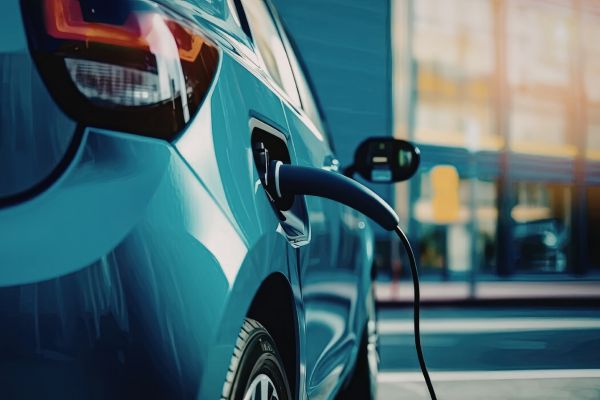
A few years ago, spotting an electric car on the road still felt slightly unusual in many places. Today, electric vehicles blend naturally into traffic, parked outside grocery stores, apartment buildings, offices, and schools. The shift has happened quickly enough that cities and transportation systems are still trying to catch up.
As electric vehicles become more common, attention has moved beyond the cars themselves. People are now asking a more practical question: where will everyone charge them?
That question sits at the center of the growing conversation around electric vehicle charging infrastructure. Charging stations, energy grids, battery technology, and urban planning are all becoming deeply connected. It is no longer only about producing cleaner vehicles. It is about building an entire ecosystem capable of supporting them in everyday life.
What makes this transformation interesting is how visible it has become. Charging stations are appearing at shopping centers, highway stops, residential complexes, and even curbside parking areas. In some neighborhoods, they have become as ordinary as gas stations once were. Yet beneath that growing familiarity lies a complicated and rapidly evolving network of technology, policy, and infrastructure design.
Why Charging Infrastructure Matters So Much
Electric vehicles cannot succeed on a large scale without reliable charging access. Even people interested in owning EVs often hesitate because of concerns about convenience, charging time, or availability during long trips.
This issue is sometimes called “range anxiety,” though the phrase only tells part of the story. Many drivers are less worried about battery range itself and more concerned about whether charging will fit naturally into daily routines.
Traditional fuel systems developed over more than a century. Gas stations became deeply integrated into urban planning, transportation habits, and commercial development. Electric vehicle charging infrastructure is now going through a similar process, only at a much faster pace.
The challenge is not simply installing chargers. It involves balancing energy demand, upgrading electrical grids, standardizing technology, and ensuring accessibility across urban and rural areas alike.
What makes this transition unique is that charging works differently from refueling. Many EV owners charge their vehicles at home overnight rather than visiting dedicated stations regularly. That changes how cities and utilities think about energy distribution.
Fast Charging Is Changing Driver Expectations
One of the biggest developments in recent years is the rapid improvement of fast-charging technology. Early electric vehicles often required hours to recharge fully, which limited practicality for long-distance travel.
Modern fast chargers have dramatically reduced those waiting times. Some systems can now add substantial driving range in under thirty minutes, making road trips and highway travel more realistic for EV drivers.
This evolution is shaping public perception. Charging stations are increasingly designed less like industrial utility spaces and more like comfortable rest areas where drivers can relax briefly while their vehicles recharge.
In many locations, charging hubs now include cafés, workspaces, shaded seating, and retail areas. The experience is gradually shifting from inconvenience to routine pause.
Still, charging speed remains an area of ongoing improvement. Drivers accustomed to the quick process of filling a gas tank often expect similar convenience from electric charging systems. Manufacturers and infrastructure developers continue racing to narrow that gap.
Urban Charging Networks Are Expanding Rapidly
Cities face unique challenges when it comes to electric vehicle charging infrastructure. Many urban residents live in apartment buildings or densely populated neighborhoods without private garages or dedicated parking spaces.
As a result, public charging networks are becoming increasingly important in metropolitan areas. Municipal governments and private companies are experimenting with different approaches, including curbside chargers, underground charging hubs, and shared neighborhood stations.
Streetlamp charging systems are also gaining attention. In some cities, existing lamp posts are being upgraded with built-in charging capabilities, reducing the need for entirely new infrastructure installations.
Parking garages have become another important part of the EV ecosystem. Office buildings, shopping centers, and residential complexes increasingly include charging stations as standard features rather than optional amenities.
These changes reflect a broader understanding that charging infrastructure must blend naturally into daily urban life instead of existing separately from it.
Rural Areas Face Different Infrastructure Challenges
While cities focus on density and accessibility, rural areas face a different problem entirely: distance.
Drivers in smaller towns or remote regions often travel longer stretches between destinations, making reliable charging coverage especially important. Sparse infrastructure can discourage EV adoption even when interest exists.
Expanding electric vehicle charging infrastructure into rural communities requires careful planning. Highway charging corridors have become a major focus because they connect urban centers and support long-distance travel.
Some governments and utility providers are investing heavily in these routes to ensure drivers can travel confidently without worrying about charger availability.
There is also growing interest in decentralized energy solutions for rural charging stations, including solar-assisted systems and battery storage units. In areas where electrical infrastructure is weaker, these technologies may help reduce strain on local grids.
The rural charging conversation highlights an important reality: sustainable transportation systems must work for diverse geographic conditions, not just major cities.
Smart Charging Technology Is Becoming Essential
Charging infrastructure is not only about physical stations. Software and intelligent energy management are becoming equally important.
Smart charging systems can communicate with vehicles, electrical grids, and utility providers in real time. This allows charging to happen more efficiently during periods of lower energy demand.
For example, some systems automatically delay charging until nighttime hours when electricity usage drops. Others can prioritize renewable energy sources when available.
This matters because large-scale EV adoption could place significant pressure on electrical grids if charging happens inefficiently. Smart systems help distribute demand more evenly and reduce the risk of overload during peak hours.
Artificial intelligence is beginning to play a role here as well. Some networks can predict charging demand patterns based on traffic, weather, and historical usage data.
To drivers, most of this technology remains invisible. Yet it quietly shapes how smoothly the entire system functions.
Renewable Energy and EV Charging Are Becoming Connected
Electric vehicles are often discussed alongside renewable energy because the two technologies naturally complement each other.
Charging stations powered partially by solar or wind energy are becoming more common in 2026. In some regions, solar canopies above parking areas generate electricity directly for nearby chargers.
Battery storage systems also play an important role. Energy collected during sunny or low-demand periods can be stored and used later when charging demand increases.
This connection between clean energy and transportation infrastructure is reshaping how people think about mobility. The goal is not only reducing emissions from vehicles themselves but creating cleaner energy systems around them.
There are still challenges, of course. Renewable energy production fluctuates depending on weather conditions and location. Managing these variables requires increasingly sophisticated infrastructure planning.
Even so, the integration of renewable power into charging networks represents one of the most promising developments in sustainable transportation.
Apartment Living and Shared Charging Access
One of the less-discussed issues surrounding electric vehicle charging infrastructure involves shared housing environments.
Home charging is convenient for people with private garages or driveways, but millions live in apartments or shared residential spaces where charging access is more complicated.
Property developers are beginning to address this by incorporating charging stations into new apartment projects. Older buildings, however, often require expensive electrical upgrades to support multiple EV chargers.
Some residential communities are experimenting with reservation systems, shared charging schedules, and mobile app integration to manage demand fairly among residents.
This challenge highlights how deeply transportation technology intersects with housing design and urban infrastructure.
The Role of Governments and Public Policy
Governments around the world are heavily involved in shaping charging infrastructure growth. Public funding, tax incentives, construction regulations, and environmental policies all influence how quickly networks expand.
Some regions now require new commercial or residential developments to include EV-ready parking spaces. Others provide financial support for installing home chargers or expanding public charging corridors.
Standardization has become another important policy issue. Early charging systems often suffered from compatibility problems between vehicles and chargers. Increasing efforts toward universal charging standards are helping reduce confusion for drivers.
Public policy also shapes accessibility. Without careful planning, charging infrastructure could become concentrated only in wealthier neighborhoods or commercial districts. Expanding equitable access remains an important challenge.
Challenges Still Facing EV Charging Networks
Despite rapid progress, electric vehicle charging infrastructure still faces obstacles.
Charging availability remains inconsistent in some regions. Broken chargers, software issues, and long wait times can frustrate drivers and slow public confidence.
Electrical grids also require major upgrades in many areas to support growing EV demand. Expanding charging capacity without destabilizing energy systems is a complicated balancing act.
Weather conditions present another challenge. Extreme heat or cold can affect both charging speed and battery performance.
There is also the issue of perception. Some consumers still view charging as inconvenient compared to traditional fueling, even as technology improves.
At the same time, expectations are evolving quickly. Drivers increasingly expect charging to feel seamless, reliable, and integrated into everyday life rather than requiring special planning.
Conclusion
The rise of electric vehicle charging infrastructure represents far more than a transportation upgrade. It signals a broader transformation in how cities, energy systems, and everyday mobility are being redesigned together.
Charging stations are becoming part of ordinary landscapes, from apartment complexes and office parking lots to highways and neighborhood streets. Behind these visible changes lies a much larger shift involving energy management, renewable power integration, urban planning, and technological innovation.
The transition is still unfolding, and many challenges remain. Infrastructure gaps, grid limitations, and accessibility concerns continue to shape the conversation. Yet there is growing momentum behind the idea that transportation can become cleaner, quieter, and more connected to sustainable energy systems.
What once felt futuristic now feels increasingly practical. Electric mobility is no longer only about the vehicles themselves. It is about building an environment capable of supporting a different way of moving through the world.