
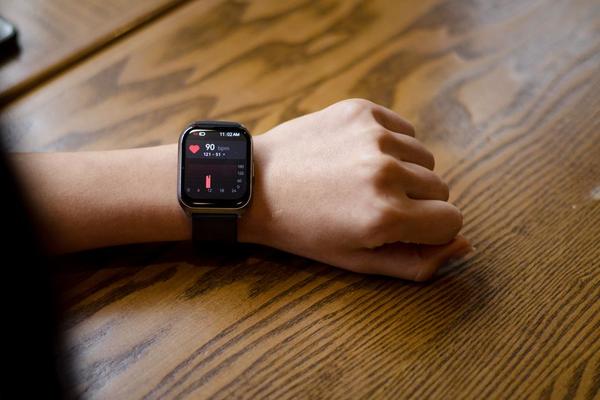
Your fitness tracker flashes 142 beats per minute halfway through a run. A minute later, it shows 126, although you have barely slowed down. Is your heart changing pace, or is the device struggling to keep up? Understanding fitness tracker heart rate monitoring means understanding both the pulse beneath your skin and the light-based technology trying to detect it.
Wrist trackers are useful for spotting patterns in activity, recovery and exercise intensity. Their numbers are estimates, though, not continuous medical-grade measurements.
How a Fitness Tracker Measures Your Pulse
Most wrist wearables use photoplethysmography, usually shortened to PPG. An optical heart rate sensor shines light into the skin and measures how much light returns to a detector. With each heartbeat, blood volume changes in tiny vessels near the surface. Those changes slightly alter the reflected light.
The tracker analyses this repeating signal, estimates the intervals between pulses and converts them into beats per minute, or bpm. Green light is commonly used for heart-rate measurement at the wrist, although sensor designs vary. Some devices also use red or infrared light for other optical measurements.
Your tracker senses changes in blood flow, not the heart’s electrical impulses directly. An electrocardiogram, or ECG, measures electrical activity. That is why a wrist reading and a chest-strap reading can differ, particularly during movement.
Why the Display May Lag Behind Your Effort
The sensor needs enough reliable pulse signals to estimate a rate. Software filters noise and may smooth measurements to avoid showing every sudden fluctuation. The display can therefore respond slowly when you sprint, stop or change intensity.
When Wrist Readings Tend to Be Reliable
At rest, when your arm is still and the band fits well, many modern trackers provide a useful estimate. Regular walking or a steady-paced run may also produce consistent readings. Accuracy varies by model, person and activity, however, so there is no universal error margin for every fitness band heart rate reading.
Rapid intervals, weightlifting and sports involving gripping or repeated wrist movement are more challenging. The tracker must separate the pulse signal from motion and pressure changes. Some readings briefly lock onto a movement rhythm instead of the true pulse, creating a sudden jump or drop.
A stable trend that matches how hard you are working often tells you more than an isolated spike.
What Can Distort the Optical Signal?
Fit and Placement
A loose band allows light to leak into the sensor and lets the watch move independently of your skin. An excessively tight band can become uncomfortable. Follow the manufacturer’s guidance, generally positioning the sensor flat against the skin slightly above the wrist bone. It should feel secure without pinching.
Movement, Temperature and Skin Contact
Arm swinging, barbell grips, vibration and changes in wrist angle introduce noise. Cold conditions may reduce blood flow near the skin, weakening the optical signal. Sweat, moisture and dirt can affect contact, especially if a device slides around during a workout. Cleaning the sensor window and adjusting the band can help.
Skin and Sensor Differences
Tattoos beneath the sensor can interfere with light readings. Skin pigmentation and device design may also influence signal quality, though research does not show one simple rule for every skin tone and tracker. Some studies have found more missing or outlying readings in darker skin groups for particular devices. Performance depends on sensors, algorithms and testing conditions.
A Practical Test During an Interval Workout
Imagine alternating two minutes of brisk walking with one minute of fast running. Your wrist display may remain at 118 bpm during the first seconds of the fast interval, then rise to 150 after you have already eased off. That delay could reflect signal filtering, motion interference or your body’s actual response.
Try repeating the session with the band correctly positioned, then compare readings across several intervals. Do not judge accuracy from a single peak. If precise interval tracking matters, compare your wrist tracker with a compatible chest-strap monitor. Electrical chest straps often perform better during abrupt intensity changes, although no consumer device is infallible.
How to Interpret Resting and Workout Heart Rates
A resting heart rate tracker is most useful when you compare readings collected under similar conditions. Many adults have a resting rate between 60 and 100 bpm, but a lower rate can be normal in well-trained people. Sleep, hydration, illness, stress, caffeine and medication can affect your personal baseline.
Instead of reacting to one unusual morning, observe changes over several days. If your usual resting rate sits around 62 bpm but rises noticeably for several mornings, consider recent training, poor sleep or illness. The pattern is a prompt to check how you feel, not proof of a medical problem.
During exercise, a workout heart rate monitor can help you compare easy days with harder sessions. Heart-rate zones provide rough training guidance, but zone boundaries derived from age-based maximum-heart-rate formulas are estimates. Perceived effort and your ability to speak comfortably remain useful cross-checks, especially when the screen seems wrong.
For more context about wearables, explore our guides to fitness tracker features, heart rate zones and fitness trackers versus smartwatches.
When Not to Rely on the Tracker Alone
Consumer optical trackers should not be used to diagnose an abnormal rhythm or decide whether symptoms are serious. A reassuring number cannot rule out a heart problem, and an alarming number may be a measurement error. Some watches include separate ECG features, but those have their own limitations.
If a reading seems implausible, pause safely, sit still and check your pulse manually for a full minute. Seek medical advice for persistent unexplained changes or recurring irregular readings. Chest pain, fainting or significant breathlessness warrant urgent medical assessment regardless of what your tracker displays.
Frequently Asked Questions
How accurate is fitness tracker heart rate monitoring?
Accuracy depends on the device, fit, wearer and activity. Many trackers estimate heart rate well during rest or steady movement, but vigorous wrist motion and rapid pace changes can reduce reliability. There is no single accuracy percentage for every product.
Why does my fitness band show a sudden heart rate spike?
A spike may reflect real exertion, but a slipping band, wrist movement or signal error can also cause it. Check whether the number matches your activity and pulse before assuming the change was physiological.
Can I use a tracker to measure resting heart rate while sleeping?
Many trackers estimate heart rate during sleep, when movement is often reduced. Sleeping heart rate is not identical to awake resting heart rate, so compare like with like rather than mixing the two measurements.
Is a chest strap better than a wrist tracker for exercise?
For workouts requiring precise timing, especially intervals, a good electrical chest strap is often more dependable. Wrist trackers offer greater convenience for all-day trends and may be sufficient for general exercise tracking.
The Most Useful Number Is Often the Trend
Fitness tracker heart rate monitoring works best as a window into patterns, not a perfect beat-by-beat account. Wear the sensor consistently, recognise situations that confuse it and compare readings with how you actually feel. That turns an occasionally imperfect number into practical information about activity and recovery.